
Homeowner-Focused Residential Insulation
Home Insulation Services in Utah
Interwest Insulation is a family-owned Utah insulation contractor based in Pleasant Grove. We help homeowners with basement ceiling sound reduction, unfinished basements, attic insulation upgrades, and suitable drill-and-fill for existing walls and finished ceilings. Our standard service area covers Utah County and Salt Lake County, with extended service in the Wasatch Back.
Google customer reviews
Our customers are our strongest recommendation
Utah homeowners repeatedly mention responsive communication, careful work, professionalism, and results they are glad to recommend.
-
Easy to schedule, prompt communication, easy to get a quote from them, arrived on time, put carpet protectors down and cleaned up after really well. I appreciated the pictures too.

C Barker
July 17, 2026Great job guys. I called first thing in the morning and they had a professional and friendly crew to my house before noon. They did the job, cleaned up and were done in just over 90 minutes. The price was fair and there were no issues at all. Highly recommend these guys.
Matt Moody
July 13, 2026We had a serious problem with the room in our house with insulation. Alex found out what was wrong and he went through the small attic passage and fixed it. All crew worked hard and I am satisfied with their job! Definitely recommend them.
Victor Kim
July 1, 2026I recently had Interwest Insulation out to insulate the attic space above my garage and level out the existing insulation throughout the rest of the house — and I couldn’t be more impressed. From start to finish, the crew was friendly, professional, and clearly knew what they were doing. The work was done thoroughly and cleanly, and the results speak for themselves. It’s obvious they take pride in the quality of their work. I’m extremely happy with how everything turned out and wouldn’t hesitate to recommend Interwest Insulation to anyone looking to improve their home’s comfort and efficiency. Fantastic experience all around!
Justin Hollobaugh
June 25, 2026 -
Cody and his team were professional and a breeze to work with. They came out the day after I called to provide me with a quote and got me on the schedule quickly. We have noticed a big difference in the temperature in our house since adding the insulation. If we ever need insulation again we will definitely call interest again.
Brisa Winterton
June 14, 2026Cody and the team were very professional and easy to work with.
Rohan Chatterjee
May 6, 2026I’ll be honest, I was too lazy to do my own insulation. Called around, and these guys were the most responsive. They helped me choose what works best for my space, even recommending I don’t go with more expensive options (overkill). Price was fair, they were super clean with their set up and take down, and they were in and out in 6 hours. Thanks for the good work! Highly recommended.
Jeff Harmon
April 22, 2026Excellent job!
Guy Dean Kelley
March 13, 2026 -
Interwest Insulation did what for them is a small job but they treated me very respectful and did an excellent job and did more than was necessary, I highly recommend them !!
Alan Hawks
February 21, 2026Interwest Insulation was great to work with. I needed insulation between the master bed & family room, they came & did it in 2 hours with clean up. They cleaned up all the mess & had covered items to keep it clean. The guy even gave me a drywall tip since I was patching it myself.
Katie Brady
January 7, 2026Very happy with the insulation work. Very responsive. Showed up exactly on time. Cleaned up so well you couldn’t tell they were here.
B H
November 26, 2025Super great service!!! They came when they said they would and finished on time. Had a wonderful experience
Wendy Sexton
October 10, 2025 -
You will be glad you choose Interwest Great experience, forgot part of our job but came back and made it right — glad we chose these guys!
Joshua Erickson
October 10, 2025We hired Cody and his team create a sound barrier between floors in our investment property. The price was more than fair, the job was scheduled and completed before a fairly tight deadline. Communication was excellent the entire way through. The job was a little unconventional but Cody’s team rose to the challenge even when new unexpected obstacles arose. They far exceeded our expectations and took care of our tenants. 10/10, will hire again.
Davin Perkins
September 25, 2025Cody and his crew did an excellent job on our addition the price was what we were hoping for and they were out here within a few days to get the job done. We were very very happy with them.
Matt Lamb
September 8, 2025They were super fast, priced fair and did a great job! I called several insulation installers to get bids but none of them got back to me. Cody came out the same day and within 2 days he had the job completed. They are a small family owned business who actually cares! I highly recommend them!
Troy Slade
July 18, 2025


Reviews are provided through Interwest’s Google review feed. Google is a trademark of Google LLC.
A homeowner-first approach
Insulation work built around the home
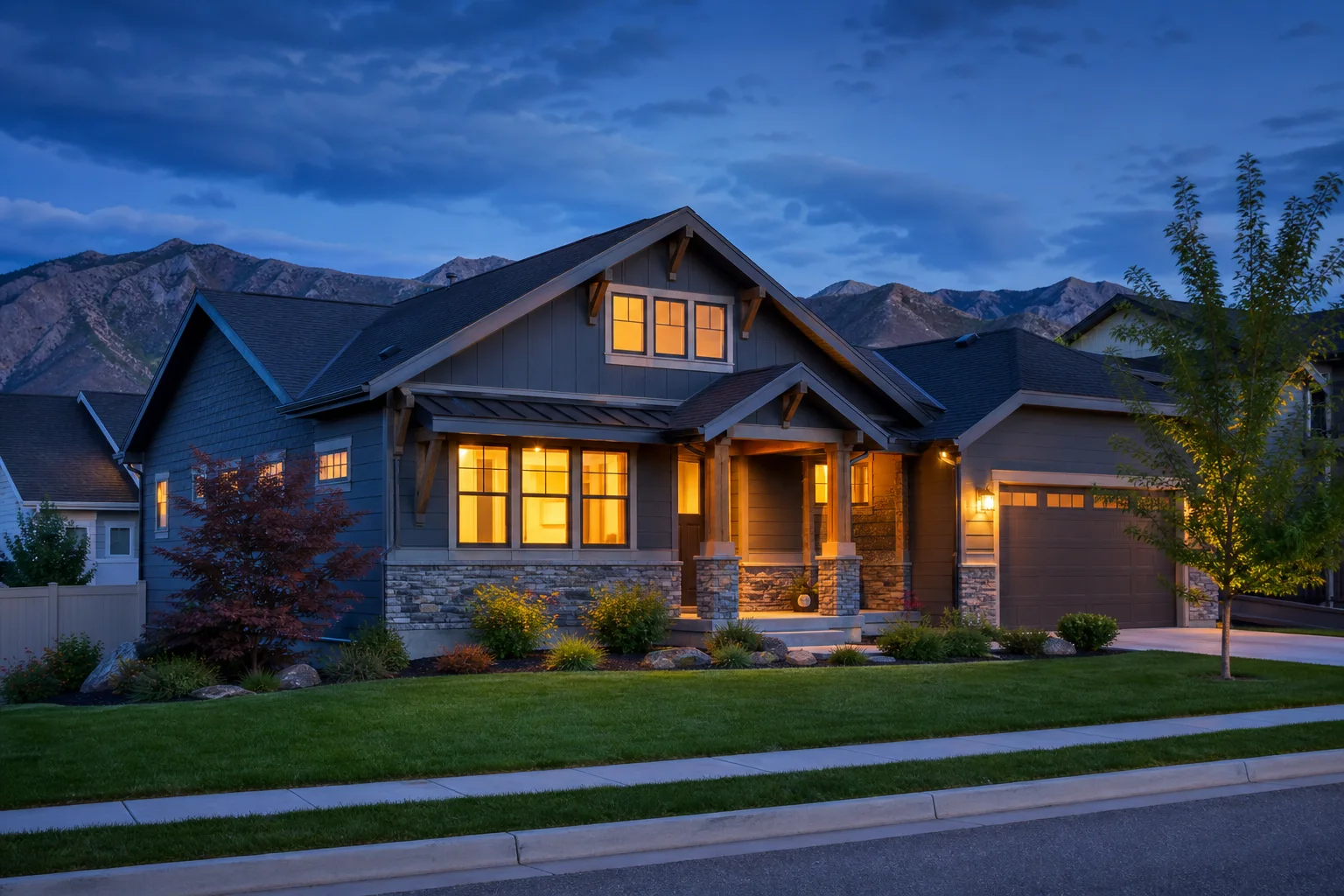
Established in Utah in 1990, Interwest is family-owned and locally operated today, with approximately 60 years of combined construction experience behind its residential work.
We begin with what you want to improve, inspect the relevant areas, and recommend a clear scope before the work begins.
Straightforward recommendations. We explain what we see, how insulation can improve the space, and the approach we recommend for your home.
Residential insulation services
What would you like to improve?
Start with the part of your home that needs attention. Tell us what you want to improve, and we’ll recommend the best next step.
Basement Ceiling Sound Reduction
Dense insulation in open basement ceiling cavities can dramatically reduce voices, television, music, and other sound between floors.
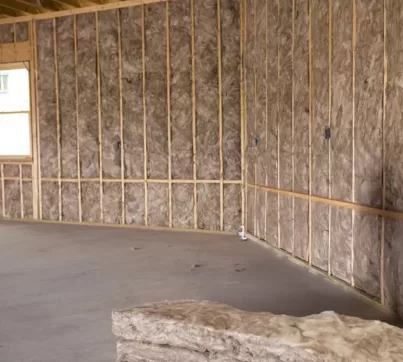
Unfinished-Basement Insulation
We insulate accessible basement walls for comfort and open ceiling cavities for sound reduction before drywall is installed.
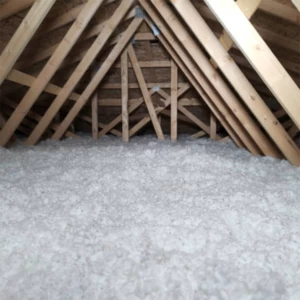
Attic Insulation
We evaluate existing attic insulation, identify thin or uneven areas, and recommend improvements for better comfort and performance.
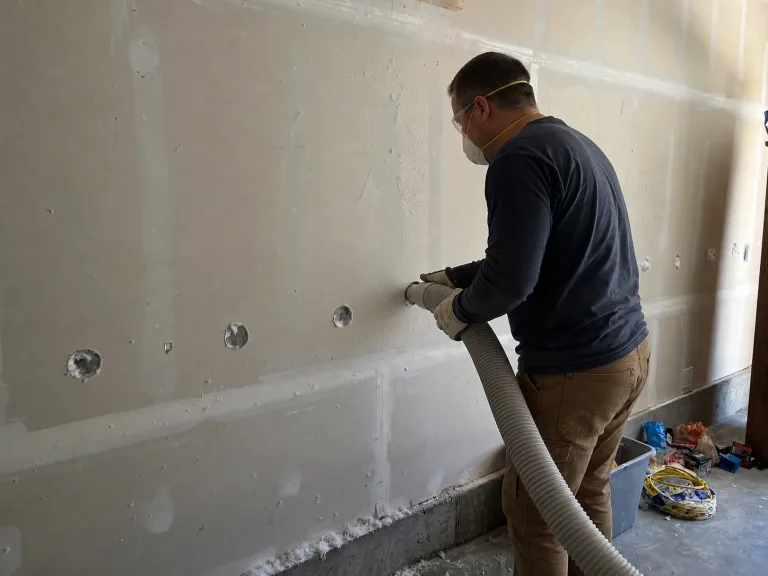
Drill-and-Fill Insulation
Drill-and-fill can add insulation to empty wall cavities or finished ceiling cavities without removing the entire surface. Interwest will inspect the space and recommend the most practical access plan.
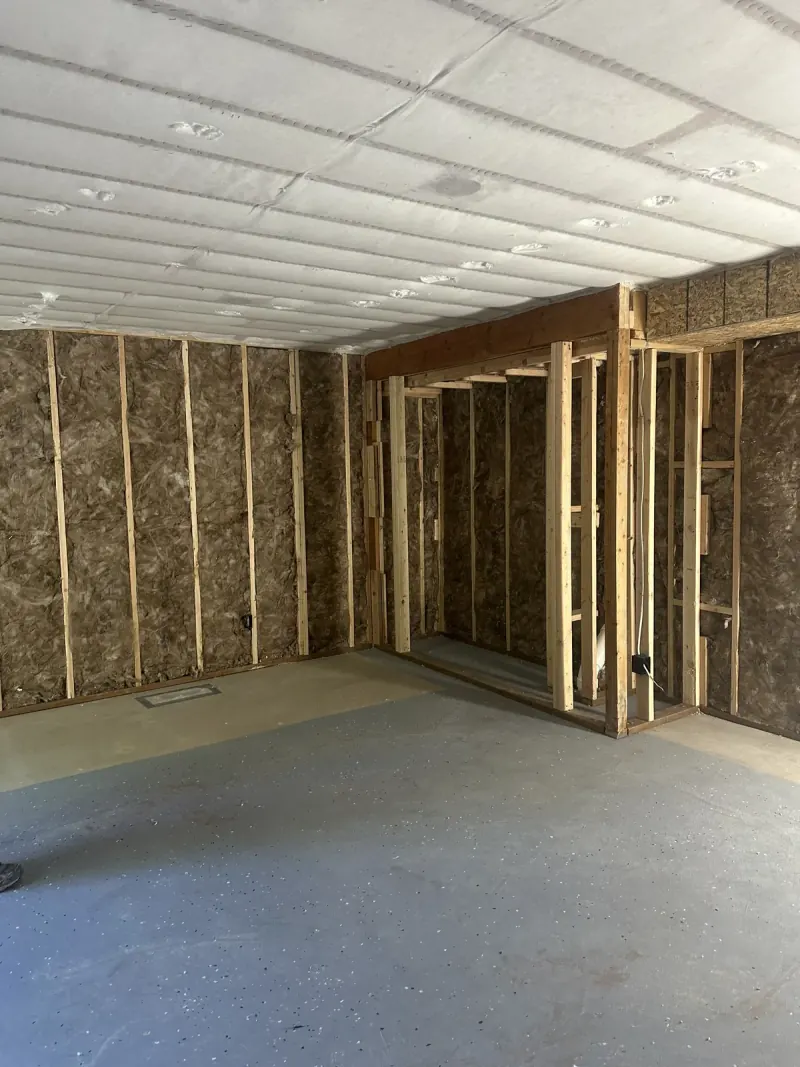
Additions & Remodels
Coordinate insulation for new rooms, opened assemblies, finished spaces, and transitions between the existing home and new construction.
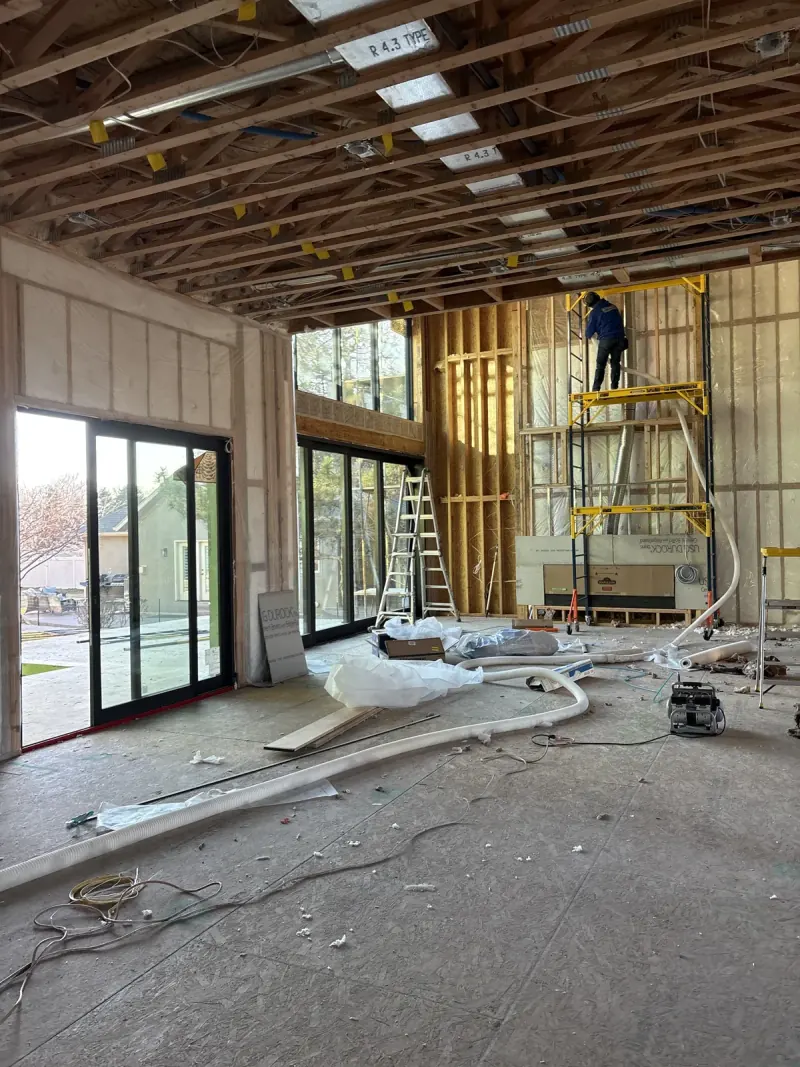
New & Custom Homes
Insulation scopes for owner-builders, custom homeowners, and smaller residential teams that value clear coordination.
Could your insulation project qualify for a utility rebate? Some attic, exterior-wall, and floor projects may qualify through current Utah utility programs. Requirements should be checked before installation.
Why Interwest
Straightforward service for residential projects
Homeowner First
Services and the estimate process are centered on homeowners—from existing-home improvements to selected owner-builder and custom-home projects.
Owner Involvement
Cody Burdett, owner of Interwest Insulation, handles most estimates and customer communication.
Construction Perspective
Approximately 60 years of combined construction experience helps us consider the project in the context of the whole home.
Clear Recommendations
We explain the installation method, material, scope, and the improvement you can expect from the work.
A clear way to begin
Three simple steps to get started
Tell Us About the Project
Let us know what you want to improve, where the home is located, and which areas are involved.
We Plan the Work
We’ll evaluate the space, recommend the approach, and prepare a clear estimate for the work.
You Decide What Comes Next
If you choose to move forward, we’ll confirm the scope and any preparation needed before installation.
Where we work
Two clear levels of regional coverage
Utah County and Salt Lake County are Interwest’s standard service area. The neighboring Wasatch Back is an extended area we also serve.
Extended-area scheduling can depend on the project and crew route. Have a project outside either highlighted area? Send the location and details, and we will let you know the best next step.
LOCAL UTAH COUNTY INSULATION
Local insulation services in Utah County
Choose a city for service details, project photographs, and estimate information. Interwest serves these communities from our Pleasant Grove home base.
Browse completed projects by city and type · See our full regional service area
Common questions
Frequently asked insulation questions
How do I know if my home needs more insulation?
Several clues can point to an insulation opportunity: rooms that are difficult to keep comfortable, uneven temperatures, drafts, rising seasonal energy use, ice dams, or attic insulation that looks thin or uneven. Interwest can combine a visual inspection with infrared thermal imaging when the indoor-outdoor temperature difference makes it useful. Together, these tools help identify likely hot and cold spots and guide the right recommendation.
How much does it cost to insulate a home?
Every home receives project-specific pricing so the estimate reflects the work it actually needs. The main cost factors are treatment area, target R-value, material, open or finished cavities, access, framing and obstructions, preparation, air sealing or removal needs, finish responsibilities, and cleanup. After reviewing those details, Interwest can provide a clear written estimate that is more useful than a generic square-foot number. See the Utah insulation cost guide.
How much attic insulation does a Utah home need?
R-value is the useful starting point for deciding how much attic insulation to add. In Interwest’s experience, many existing Utah County homes are around R-38 and many older homes are closer to R-30, while current ENERGY STAR retrofit guidance for Utah climate zones commonly points to approximately R-49 to R-60. Interwest can evaluate the existing insulation, attic design, and project goals, then recommend the amount and depth needed for the selected material.
Can existing walls be insulated without removing the drywall?
Yes. Most wall cavities can be filled through planned drill-and-fill openings from the interior or exterior without removing all the drywall. How evenly and effectively the insulation fills each cavity depends on framing blocks, wiring, plumbing, moisture, existing insulation, wall strength, siding, and other concealed conditions. Interwest reviews the wall, plans access carefully, and defines the access-closing and finish responsibilities in the estimate.
Will insulating my basement ceiling reduce noise between floors?
Yes. Properly installed insulation in basement ceiling cavities can substantially reduce airborne sound between floors. Many homeowners notice a major improvement in voices, television, music, and general room noise, making both levels feel quieter and more private.
How long does home insulation last?
Quality insulation can perform for many decades when it remains dry, clean, and undisturbed. An inspection is worthwhile if it has become wet, compressed, contaminated, disturbed by remodeling or pests, unevenly settled, or separated by gaps. Condition and coverage matter more than age alone, so useful insulation can often remain in service.
Start with the problem
Tell us what you want to improve
Sound between floors, an unfinished basement, attic comfort, empty wall or finished ceiling cavities, or plans for a new home—tell us about the project. We’ll recommend the best next step.