
Blog · Materials · Technical references checked October 2026
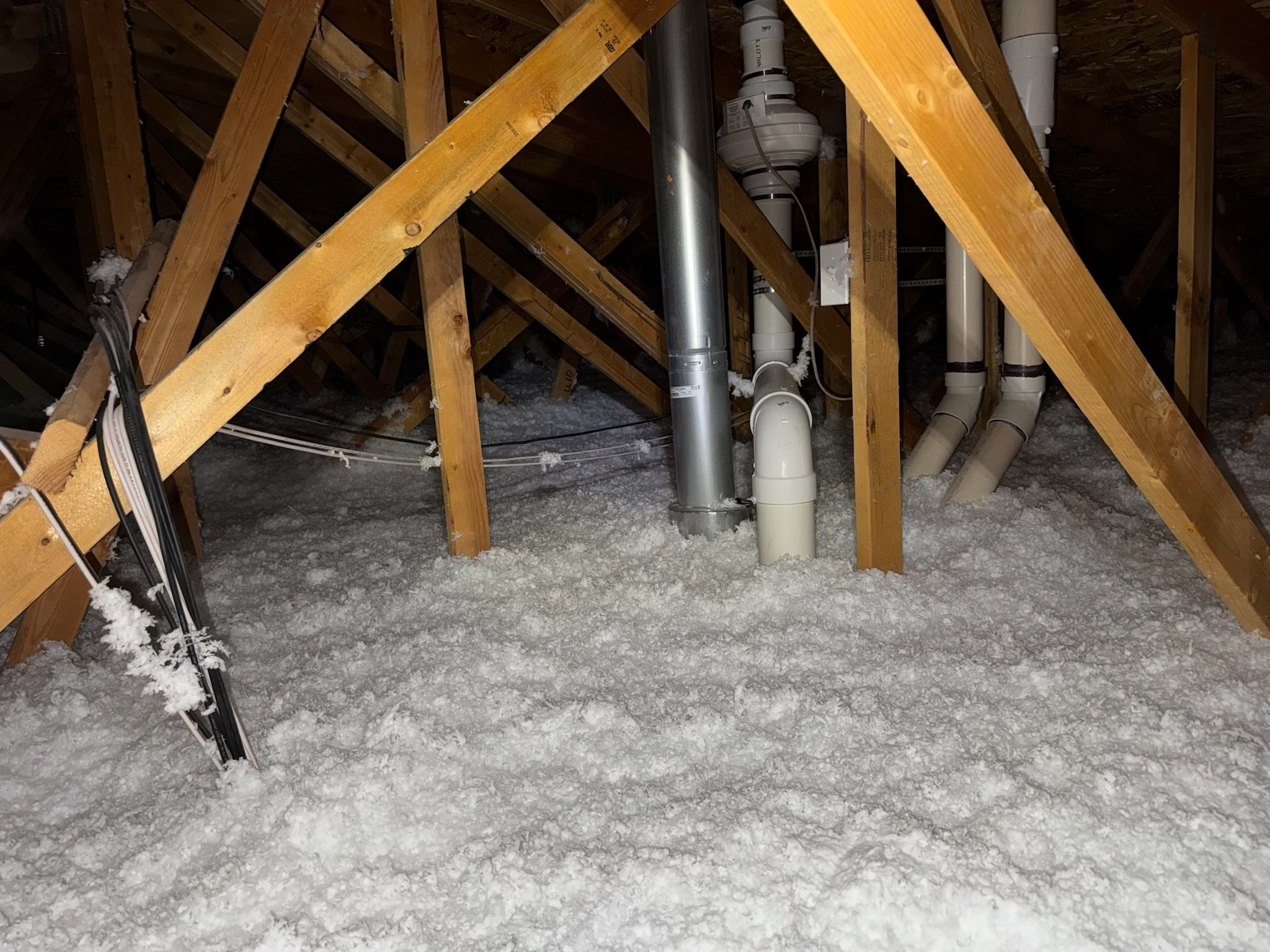
Choosing attic insulation can feel like choosing between two competing sales pitches. One contractor recommends cellulose; another prefers fiberglass. Both can be useful options for an existing Utah home. The better choice depends on the attic, the product, and the installation plan.
Start by asking what the proposed work will accomplish. A clear estimate should explain the existing conditions, the added insulation, the intended final R-value, and any preparation included. That information is more useful than a promise that one material is always best.
What is the difference?
Cellulose insulation is generally made from recycled paper fiber treated for fire resistance. Blown fiberglass consists of fine glass fibers installed with a blowing machine. Both are available as loose-fill products for attic floors. Fiberglass also comes in batts, which are a different installation format.
The Department of Energy’s overview of insulation types explains that material selection should reflect the location and the project’s thermal requirements. Comparing a loose-fill attic product with a wall batt without considering the application can lead to the wrong conclusion.
Compare the installed specification
R-value describes resistance to heat flow. Two materials installed to the same rated R-value may need different depths and quantities. The product’s coverage chart should guide the installation, including its required bag count, coverage area, and depth.
Cellulose is generally heavier than loose-fill fiberglass, and settlement allowances differ by product. A responsible plan considers the ceiling assembly and follows the manufacturer’s instructions. Avoid treating a generic inches-per-R-value estimate as the specification for every product. The Building America loose-fill guide explains why density, installed depth, and settled performance matter.
Installation quality matters with either material
An attic needs consistent coverage around framing and obstructions. A deep pile in the middle does little to correct a thin area over an outside bedroom. Access limitations, low roof edges, and equipment can affect where the crew can work.
Ask how the installer will document coverage and identify areas that cannot receive the full planned treatment. You should also understand how ventilation openings and required clearances will remain functional. Neither cellulose nor fiberglass should be used to bury an unresolved building problem.
Insulation and air sealing have different jobs
Fibrous insulation slows heat transfer, but it does not replace a continuous air barrier. Gaps around the attic hatch, ceiling penetrations, and open framing may need separate attention. Adding more insulation over an important air leak can leave that pathway in place.
Ask which air-sealing tasks are included in the estimate and which require another contractor. Interwest does not install spray foam insulation. The written scope identifies the insulation work and any preparation or air sealing included for the particular home.
Can existing insulation stay?
Often it can, if it is dry, clean, and suitable for the proposed upgrade. New loose-fill insulation does not always have to match the existing material. ENERGY STAR’s attic project guidance discusses adding insulation over existing material.
Wet insulation, contamination, roof leaks, and suspect materials need evaluation first. Interwest does not provide insulation removal. If removal or remediation is necessary, a separate qualified contractor must complete that work before the insulation installation proceeds.
Local examples show both approaches
Interwest’s completed work includes a cellulose attic upgrade in Highland in July 2026 and a fiberglass attic upgrade in Draper in October 2026. These project pages show real installations. They do not establish that one material delivers a specific savings percentage or is the correct choice for every home.
Questions to ask before deciding
- What insulation is already present, and what condition is it in?
- What product and added R-value are proposed?
- Does the estimate state the intended final total?
- What preparation, access, ventilation, and clearance work is included?
- How will coverage and any exceptions be documented?
Send your city, comfort concern, home age, and any available photographs when requesting an attic insulation evaluation. Interwest serves Utah County, Salt Lake County, and nearby communities. Request an estimate to compare options for your actual attic.
Browse more insulation guides · See completed local projects