
Accessible basement spaces
Unfinished Basement Insulation
Open framing creates a valuable opportunity to improve basement comfort and reduce sound transfer before drywall covers the cavities. Interwest serves homeowners across Utah County, Salt Lake County, the Wasatch Back, and nearby communities.
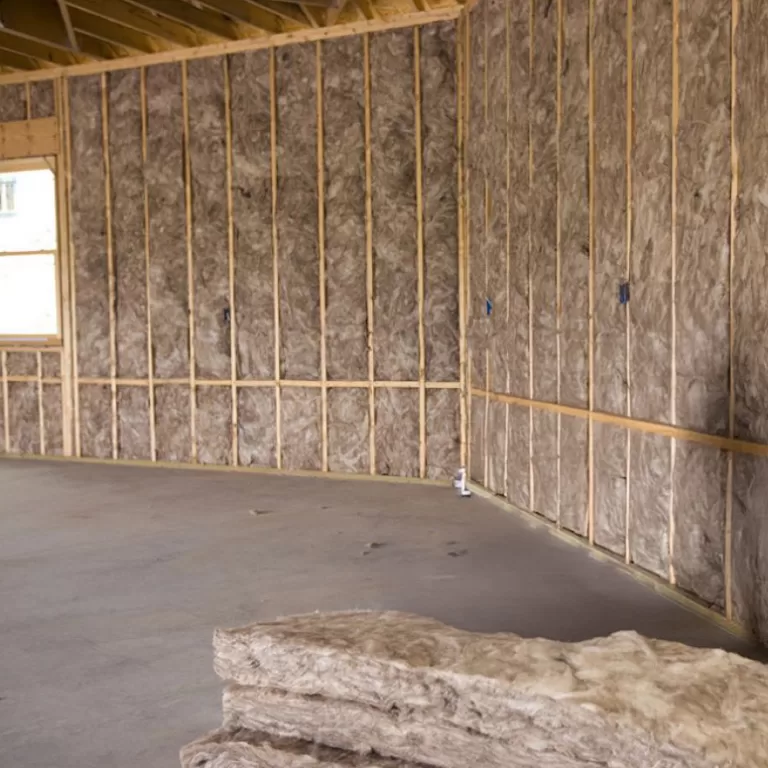
Start with the result you want
Basement walls and ceilings solve different problems
How the basement will be used guides the insulation plan. Exterior basement walls improve comfort and the thermal boundary. Open ceiling cavities can be filled to substantially reduce voices, television, music, and other airborne sound traveling between floors.
Exterior walls
Interwest recommends the wall treatment after reviewing the assembly, concrete or framed conditions, moisture history, local requirements, and future finish plan.
Open ceilings
Netted-and-blown insulation densely fills open joist cavities before drywall and substantially reduces airborne sound.
Planning a finished ceiling? Before drywall is the ideal time for a full netted-and-blown sound treatment. Finished ceilings can still be insulated through drill-and-fill access openings.
Before the cavities are covered
A short planning review can prevent expensive rework
Framing, electrical, plumbing, heating and cooling work, fire blocking, moisture conditions, inspections, and drywall timing all connect with the insulation schedule. Interwest will plan the insulation portion and prepare a project-specific estimate.
Helpful project details
- Which exterior walls, interior walls, rim areas, or ceiling areas are open and accessible
- Whether the basement will remain unfinished or when drywall is planned
- The approximate dimensions or plan set for the areas involved
- Any ducts, plumbing, wiring, recessed fixtures, blocking, storage, or limited-access areas
- Whether comfort, energy use, sound transfer, or a combination is the main concern
- Any known water intrusion, dampness, odor, pest, or existing-insulation problem
Share these details with Interwest, and the written estimate will define the treatment area and recommended work.
Compare the written scope
Know what the estimate includes
Two estimates can appear similar while describing different work. A useful proposal identifies the treatment area, material, installation method, target specification, access and protection assumptions, preparation, exclusions, and cleanup. It should also make clear whether insulation is being proposed for thermal performance, sound reduction, or both.
- Confirm exactly which walls, ceilings, or rim areas are included.
- Ask whether the cavities will be filled or whether another coverage standard applies.
- Confirm who coordinates inspections and when the work must be ready for drywall.
- Identify areas that cannot be treated because of access, clearances, moisture, or other conditions.
- Keep the estimate with the project records so the installed scope is clear later.
Questions to settle before work
What parts of the basement would be included?
Your written estimate will clearly list every area included, such as selected walls, ceiling cavities, rim areas, or adjoining spaces. This makes it easy to see exactly what will be insulated and to add or remove areas before work begins.
Can Interwest insulate both basement walls and ceilings?
Yes. Interwest insulates basement walls for thermal comfort and open ceiling cavities for sound reduction between floors. The estimate will describe each treatment separately so you can choose the combination that best fits the basement.
What material or specification would be used?
Your estimate will identify the proposed material, coverage, and installation specification so you know exactly what is planned. For sound-reduction cavities, Interwest typically prefers cellulose because its density helps absorb airborne sound.
What needs to be ready first?
A well-prepared basement helps the installation move efficiently. Depending on the scope, framing and rough trades may need to be complete, required inspections may need to occur, and storage or obstructions may need to be moved. Interwest will explain the access, clearing, and coordination needed before installation is scheduled.
Should ceiling sound insulation be installed before drywall?
Yes—before drywall is the ideal time whenever practical. Open ceiling joists allow a full netted-and-blown treatment before the ceiling is covered. If the ceiling is already finished, drill-and-fill may still offer a solution through planned access openings.
Will basement ceiling insulation eliminate all noise?
Basement ceiling insulation can substantially reduce airborne sound such as voices, television, music, and everyday room noise, often making the basement feel dramatically quieter. Footsteps and dropped objects also create vibration in the framing, so they may still be heard. Complete soundproofing requires additional treatment of the full floor-ceiling assembly, but insulation alone can be a very worthwhile sound-deadening upgrade.
How much will the project cost?
Every basement receives project-specific pricing based on the treatment area, access, framing, obstructions, material, preparation, and completion scope. Interwest will provide a clear written estimate for the actual space so you can see exactly what the price includes. Review the factors that shape an insulation estimate.