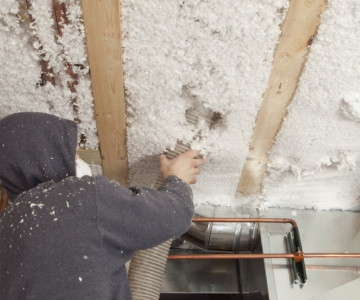
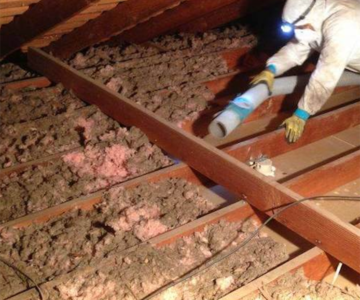
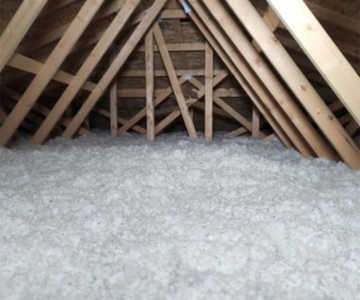
Why Air Seal the Attic?
“When we seal the attic, it stops outside air from sneaking in, keeping your home at just the right temperature. This means you stay warm in the winter and cool in the summer, feeling comfy all the time.!”
Where to seal first
-
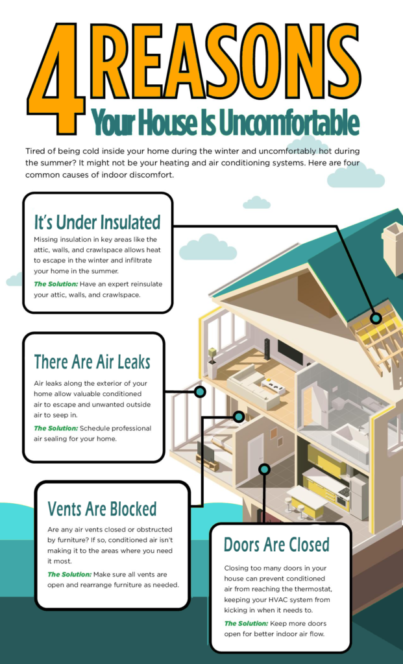
Attic: The attic is the most important area to air seal, as it can account for up to 25-30% of a home’s energy loss. Properly sealing the attic can significantly reduce heating and cooling costs and improve overall energy efficiency. Safety and Access is a concern and may require a professional.
-
Windows: Windows can account for 10-20% of air leaks in a home. Sealing and insulating around windows can prevent drafts and reduce energy bills by 10-25%. Easy access and can be done by the homeowner.
-
Doors: Doors, particularly exterior ones, can be responsible for around 10-15% of air leaks. Ensuring doors are well-sealed can help maintain a consistent indoor temperature and improve comfort. Easy access and can be done by the homeowner.
-
Walls: Air leaks through walls, especially around electrical outlets, plumbing, and ductwork, can contribute to about 10-15% of a home’s energy loss. Sealing these areas can help improve energy efficiency and reduce drafts. Easy access may require a professional.
-
Floors: Floors above unconditioned spaces, such as basements or crawl spaces, can account for around 5-10% of air leaks. Sealing and insulating these areas can prevent cold air from entering and improve the overall comfort of the home. Easy access may require a professional.
Steps to Sealing an Existing Attic with Insulation
-
-
Inspection and Preparation:
- Inspect the Attic: Identify areas where air may be leaking, such as around pipes, ducts, chimneys, light fixtures, and the attic hatch. Move aside any insulation to expose these areas.
- Protect Yourself: Wear appropriate safety gear, including a mask, gloves, and protective clothing, to avoid irritation from insulation materials.
- Clear the Area: Temporarily remove or push back existing insulation from the areas you plan to seal.
-
Seal Large Gaps and Holes:
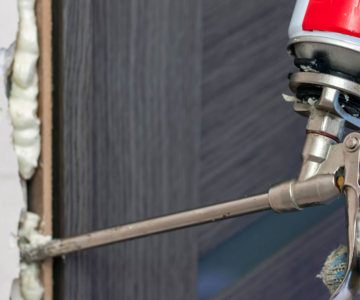
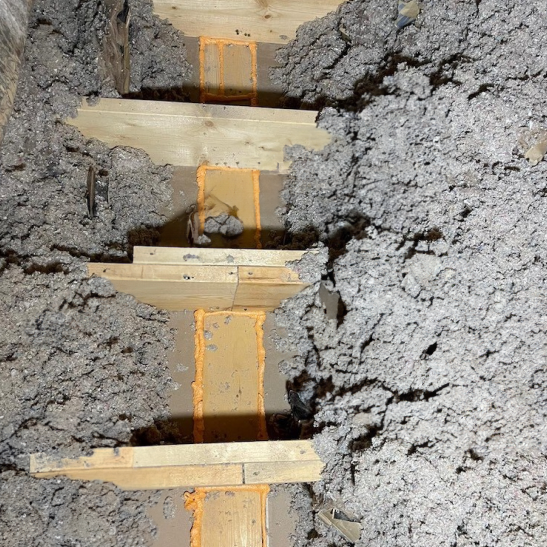
- Use Expanding Foam: Apply spray foam insulation to large gaps and holes around pipes, wires, and other penetrations. Ensure you cover all visible openings.
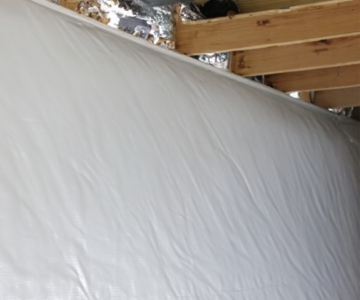
- Install Rigid Foam: For larger openings around chimneys and attic hatches, cut and fit rigid foam boards, sealing the edges with spray foam or high-temperature caulk where necessary.
-
Seal Small Gaps and Cracks:
- Apply Caulk: Use caulk to seal small cracks and gaps around window frames, electrical outlets, and baseboards. Make sure to seal gaps around any attic floor penetrations.
- Weatherstripping: Install weatherstripping around the attic hatch to prevent air leakage when the hatch is closed. Ensure a tight seal when the hatch is in place.
-
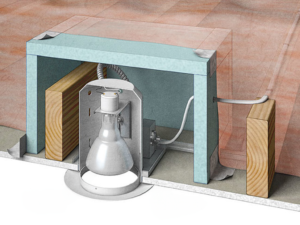
Seal Recessed Light Fixtures:
-
- Use Airtight Boxes: Install airtight boxes over recessed light fixtures, or use specially designed airtight recessed lights. Seal around the boxes with caulk or spray foam to prevent air from escaping through these fixtures.
-
Reposition Insulation:
- Replace Moved Insulation: Once all gaps and cracks are sealed, carefully replace any insulation that was moved or disturbed during the sealing process. Ensure it is spread evenly and covers all areas.
-
Add Additional Insulation if Needed:
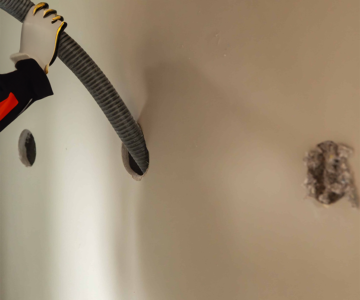
- Check Insulation Levels: If your existing insulation is insufficient, consider adding more to achieve the recommended R-value for your region. This can be done using additional fiberglass batts, cellulose, or spray foam insulation.
-
Ventilation:
- Check Ventilation: Ensure the attic has proper ventilation to prevent moisture buildup. This is crucial to avoid mold and other issues. Install or upgrade vents as needed, ensuring they are not blocked by insulation.
-
Final Inspection:
- Inspect Your Work: Conduct a final inspection to ensure all areas are properly sealed and insulated. Look for any missed spots and address them.
- Test for Leaks: Use a smoke pencil or infrared thermometer to check for any remaining air leaks.
By following these steps, you can effectively seal your attic in an existing home with insulation, reduce energy loss, and improve the overall comfort and efficiency of your home.